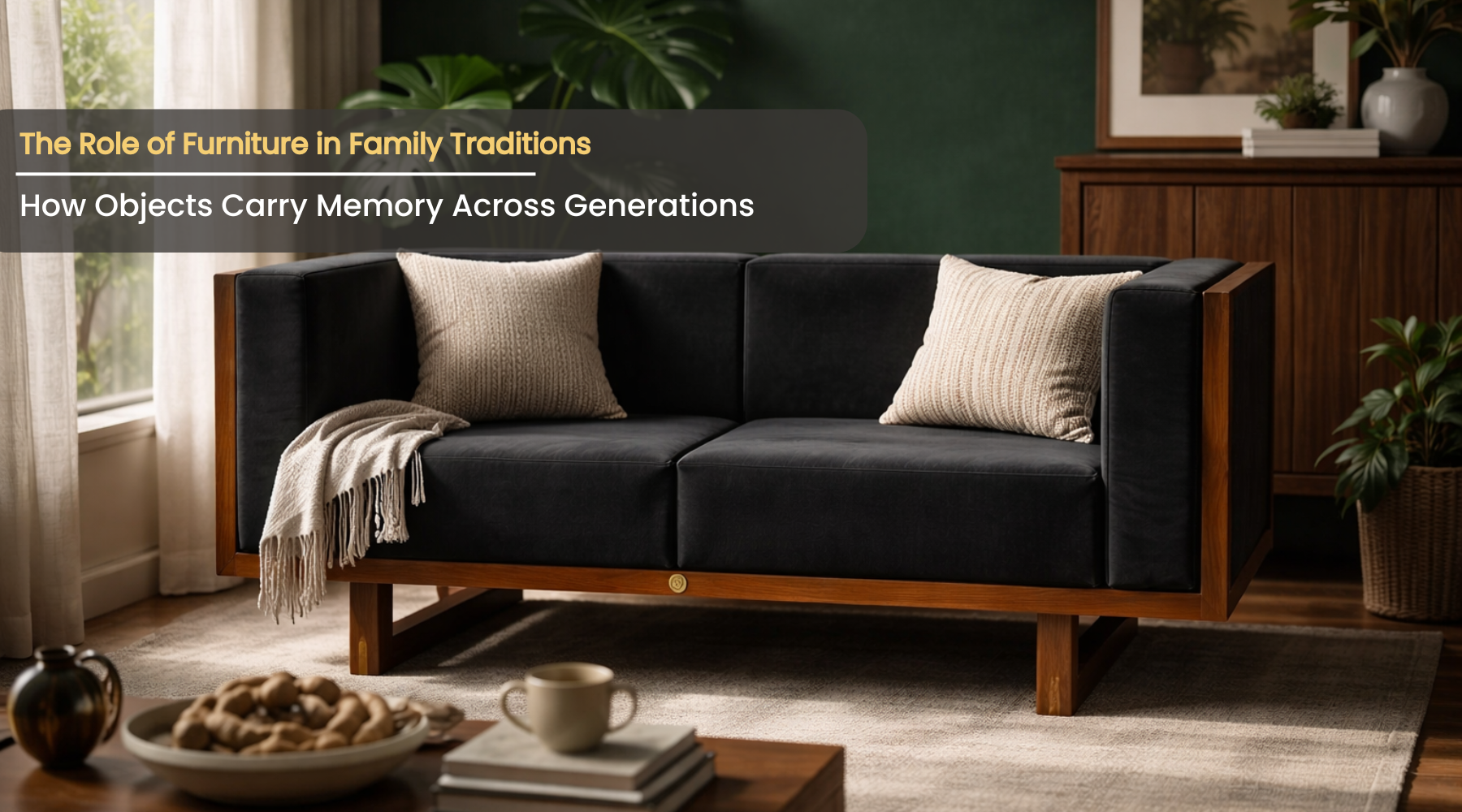
The Role of Furniture in Family Traditions: How Objects Carry Memory Across Generations
The rosewood dining table where I ate Thanksgiving dinner as a child is the same table where my children now eat Thanksgiving dinner. The grain patterns I traced with my finger while waiting for dessert are the patterns my daughter traces now. The chair where my grandfather sat, telling stories that seemed endless then and seem precious now, is the chair where I sit telling my own stories. When I look at that table, I see forty years of family gathering, arguing, celebrating and mourning.
Furniture becomes woven into family tradition in ways that surprise us. The objects themselves become characters in family history, witnesses to events that shape who we are. A table is not just a table when grandchildren have climbed under it during every holiday for a decade. A bed is not just a bed when three generations have slept in it, dreamed in it, recovered from illness in it. The physical objects carry memory forward in ways that photographs and stories cannot match.
Understanding this role helps you choose furniture worthy of the traditions it will participate in. The pieces you buy today may become the furniture your great grandchildren associate with childhood holidays, with grandparents they loved and with the feeling of home itself. This is not pressure to buy expensive furniture. It is invitation to buy meaningful furniture, pieces that can carry weight beyond their physical function.
How Furniture Becomes Tradition
Association Through Repetition
Furniture becomes traditional through repeated presence at significant moments. The table that hosts every birthday dinner absorbs the meaning of those celebrations. The chair where bedtime stories happen every night becomes the story chair, inseparable from the ritual it supports. Repetition transforms object into tradition.
This transformation requires consistency. The same piece must be present for enough repetitions that it becomes part of the pattern. Furniture that changes frequently cannot accumulate the associations that make tradition. Quality furniture that endures enables the consistency that creates meaning.
Children are particularly attuned to these associations. The specific chair they always sit in becomes their chair. The table where holidays happen becomes the holiday table. These connections form early and persist through adulthood, becoming touchstones of memory that ground identity in physical objects.
Physical Memory of Events
Furniture physically records the events it witnesses. The scratch from the toy car that ran off the table during a birthday party. The stain from the wine spilled during the anniversary dinner. The worn spot where hands have rested through a thousand family conversations. These marks are not damage but documentation.
Some families preserve these marks deliberately. The height measurements penciled inside a doorframe each year record children's growth. Initials carved under a table by mischievous children become precious once those children have children of their own. The furniture's surface becomes a record that reads to those who know its history.
A rosewood table with perfect finish has never hosted anything memorable. A table marked by the events of family life tells a story. The patina that develops over decades of use is not degradation but documentation of all the living that happened around it.
Anchoring Through Generations
Furniture that passes through generations provides continuity that nothing else matches. The great grandmother you never met becomes slightly more real because you eat at her table. The grandfather who died before you were born becomes present through the desk where he worked. Objects outlive people and carry some essence of them forward.
This continuity matters especially during transitions. Moving to a new house, experiencing loss, entering new life stages. Having familiar furniture provides stability through change. The table may be in a new kitchen, but it is still the family table. The continuity of objects anchors identity when other things shift.
Quality furniture enables this generational anchoring because it survives to be passed along. Cheap furniture that wears out after a decade cannot become tradition because it does not last long enough. Building tradition requires furniture built to outlast those who buy it.
Creating New Traditions
Choosing for Meaning
When choosing furniture that you hope will become traditional, consider what traditions it will support. A dining table that will host family gatherings deserves to be worthy of those gatherings. A bed that may become the bed where grandchildren cuddle with grandparents deserves to be comfortable and durable enough for that role.
This consideration changes furniture shopping from acquiring objects to investing in family future. The rosewood sideboard you buy today may appear in family photographs for a century. The dining chairs you select may seat great grandchildren you will never meet. The weight of this future can guide you toward quality that justifies the role.
Start traditions deliberately. Designate the new dining table as the Thanksgiving table from its first holiday. Let children claim their chairs immediately. Creating ritual around new furniture gives it opportunity to become meaningful before memory accumulates on its own.
Building on Inherited Pieces
Furniture inherited from previous generations arrives with tradition already embedded. Your job becomes continuing and extending that tradition. The grandmother's table hosts your family now. The traditions that happened there in previous generations continue in new forms with new participants.
Add to inherited traditions rather than replacing them. The Thanksgiving dinner that grandmother hosted becomes the Thanksgiving dinner you host. The bedtime stories in the old chair continue with new children. The traditions evolve but maintain continuity with what came before.
Care for inherited furniture as the stewardship it represents. The piece survived to reach you because previous generations cared for it. Your care ensures it reaches future generations who will add their own memories to its accumulated meaning.
Blending Old and New
Most families have some inherited furniture and some they choose themselves. Blending these pieces creates homes that honor history while accommodating present needs. The inherited dining table may need new chairs. The inherited bed may need new nightstands. These additions should respect what exists while serving current life.
Quality new furniture can eventually become as meaningful as inherited pieces. The rosewood bookcase you buy this year may become as precious as the inherited table once enough time passes and enough memories accumulate. New traditions grow around new furniture just as old traditions attached to old furniture.
Do not wait for inheritance to have meaningful furniture. Create the heirlooms that future generations will inherit. Buy quality that will last. Use it well. Let traditions develop around it. The furniture that becomes traditional in the future is the furniture you choose today.
Furniture and Life Events
Celebrations and Gatherings
Tables anchor celebrations. The dining table that hosts every holiday dinner, every birthday party, every Sunday supper becomes the physical center of family togetherness. Its surface has held the cakes, the turkeys, the candles that marked every celebration for years. Its presence makes gatherings feel like continuations of all previous gatherings.
Seating witnesses celebrations from a different angle. The chair where the birthday person always sits. The sofa where family gathers to open presents. These positions in space become traditions attached to specific furniture. The same event in different furniture would feel different.
Consider how furniture will serve celebrations when choosing it. The table large enough to expand for holidays. The living room seating that accommodates large groups. The pieces that enable gathering shape the gatherings they enable.
Daily Life Rituals
Not all tradition is ceremonial. Daily rituals matter too. The kitchen table where every morning begins. The chair where bedtime stories happen. The desk where homework gets done. These everyday uses create tradition through accumulation, day after day building meaning that special occasions alone cannot achieve.
Daily use furniture needs the durability to support repeated ritual. The breakfast table sees more use than the holiday table. The homework desk gets more wear than the occasional writing surface. Quality construction enables the daily ritual that creates tradition over years of consistent presence.
Children especially notice daily ritual furniture. The chair that is always theirs. The table where every meal happens. These consistencies create security that helps children feel grounded. The furniture of daily life becomes backdrop to childhood in ways that shape adults they become.
Transitions and Losses
Furniture witnesses difficult times alongside celebrations. The bedside chair occupied during illness. The sofa where difficult conversations happened. The table where the family gathered after funerals. These associations matter too, complicating our relationship with furniture in ways that pure celebration would not.
Some families find comfort in furniture that witnessed difficult times. The chair where grandmother sat through her final illness becomes precious because she was there. Others find such associations painful and prefer to let pieces go. Both responses are valid. Furniture's role in tradition includes the hard parts of family life.
When someone dies, their furniture often becomes focal point for grief and memory. Decisions about keeping, distributing, or releasing their things are decisions about how to carry memory forward. The rosewood dresser that was just furniture becomes loaded with meaning when the person who used it is gone.
How long does it take for furniture to become traditional?
Furniture becomes traditional through repeated association with significant events, which can happen quickly or slowly depending on circumstances. A dining table that hosts monthly family dinners may feel traditional within a year or two. A guest room bed used only occasionally may never accumulate enough association to feel meaningful. The key is consistent presence at moments that matter. Deliberate ritual creation can accelerate the process but genuine tradition requires real events and real memories, which cannot be artificially compressed.
Should all furniture be chosen for tradition?
Not all furniture needs to become traditional. Utility pieces that simply serve function do not require the durability or meaningfulness of heirloom pieces. The desk in a home office may need to work well without becoming a family touchstone. The guest room furniture may serve visitors without carrying cross generational meaning. Reserve deliberate tradition building for pieces that will anchor significant activities, host important gatherings or witness daily rituals worth preserving. These pieces deserve investment in quality and meaning. Other pieces can simply serve their function.
What makes furniture suitable for tradition?
Furniture suitable for tradition must first endure long enough for tradition to develop. Quality construction that survives decades of use is foundational. Beyond durability, suitable furniture should support the activities that create tradition. Dining tables need to gather people comfortably. Seating needs to accommodate the conversations and rituals it will witness. The furniture should feel worthy of the meaning it will accumulate. A rosewood table commands respect in ways that encourage treating gatherings around it as significant. Furniture that invites care tends to receive care, enabling the continuity that creates tradition.
How should inherited furniture be integrated?
Integrate inherited furniture by using it for purposes that honor its history while serving your present life. Grandmother's dining table should host your family dinners. The inherited desk should support your work. Use creates continuity that preservation alone cannot provide. Position inherited pieces prominently where they can continue accumulating meaning. Blend them with newer pieces that respect their character without requiring exact matching. Tell children the stories attached to inherited furniture so they understand what they are living with. Integration means active use, not museum display.
What if traditional furniture does not fit current life?
When traditional furniture does not fit current life, several approaches are possible. The piece might serve a different function than it originally served while maintaining presence in your home. A dining table too large for your dining room might become a desk or work surface. Furniture can be stored for future use when circumstances change. Some families pass pieces to other family members whose lives better accommodate them. As a last resort, selling or donating furniture allows someone else to continue its use even if not its family tradition. What matters most is honest assessment of whether you can provide the care and use the furniture deserves.
Objects That Outlive Us
That rosewood dining table will still be gathering family long after I am gone. The grandchildren I know will become grandparents themselves, telling their own grandchildren stories while sitting in the same chairs. The grain patterns I trace will be traced by hands that have not yet been born. The table will carry forward something of all the people who have gathered around it, including something of me.
This is what furniture can be when we choose well and care properly. Not just surface and function but vessel for meaning that outlives its makers and users. The objects endure while the people pass through, each generation adding their memories to the accumulated significance of wood and craft.
At Boston Mills, we design furniture meant to carry tradition forward. Developed by our design team at the Dallas World Trade Center showroom, our rosewood tables are crafted by skilled hands and inspected for finish, proportion and quality before they reach you, ready to host family gatherings for generations. Our beds will witness birth and death and everything between. Our craftsmanship creates objects worthy of the meaning families will attach to them. Because furniture should outlive us, and what outlives us should be worthy of the memories it carries.