Understanding Furniture Styles: From Traditional to Contemporary
My parents had what I would now call traditional furniture. Carved legs on the dining table, ornate pulls on the dresser drawers, curves and details everywhere you looked. When I got my first apartment, I wanted the opposite. Clean lines. Minimal decoration. Furniture that looked like it belonged in a design magazine. I bought a sleek sofa and a glass coffee table and thought I had achieved sophistication. Six months later, I was cold. The apartment looked like a waiting room. I had rejected my parents' style so completely that I landed somewhere without any warmth at all.
It took me years to understand that style is not about choosing sides. Traditional furniture carries warmth and history but can feel heavy in the wrong space. Contemporary furniture offers clarity and calm but can feel sterile without balance. The styles I thought were opposites actually have more in common than I realized. Both care about proportion, materials, and craftsmanship. Both can feel like home when done well. Both can feel wrong when done thoughtlessly.
Understanding furniture styles helps you make choices that feel right for your life. Not what magazines tell you is fashionable, not what your parents chose, but what actually works in your space with your sensibility. A rosewood dining table can be traditional or contemporary depending on its design. The wood does not dictate the style. Your choices do.
Traditional Furniture Style
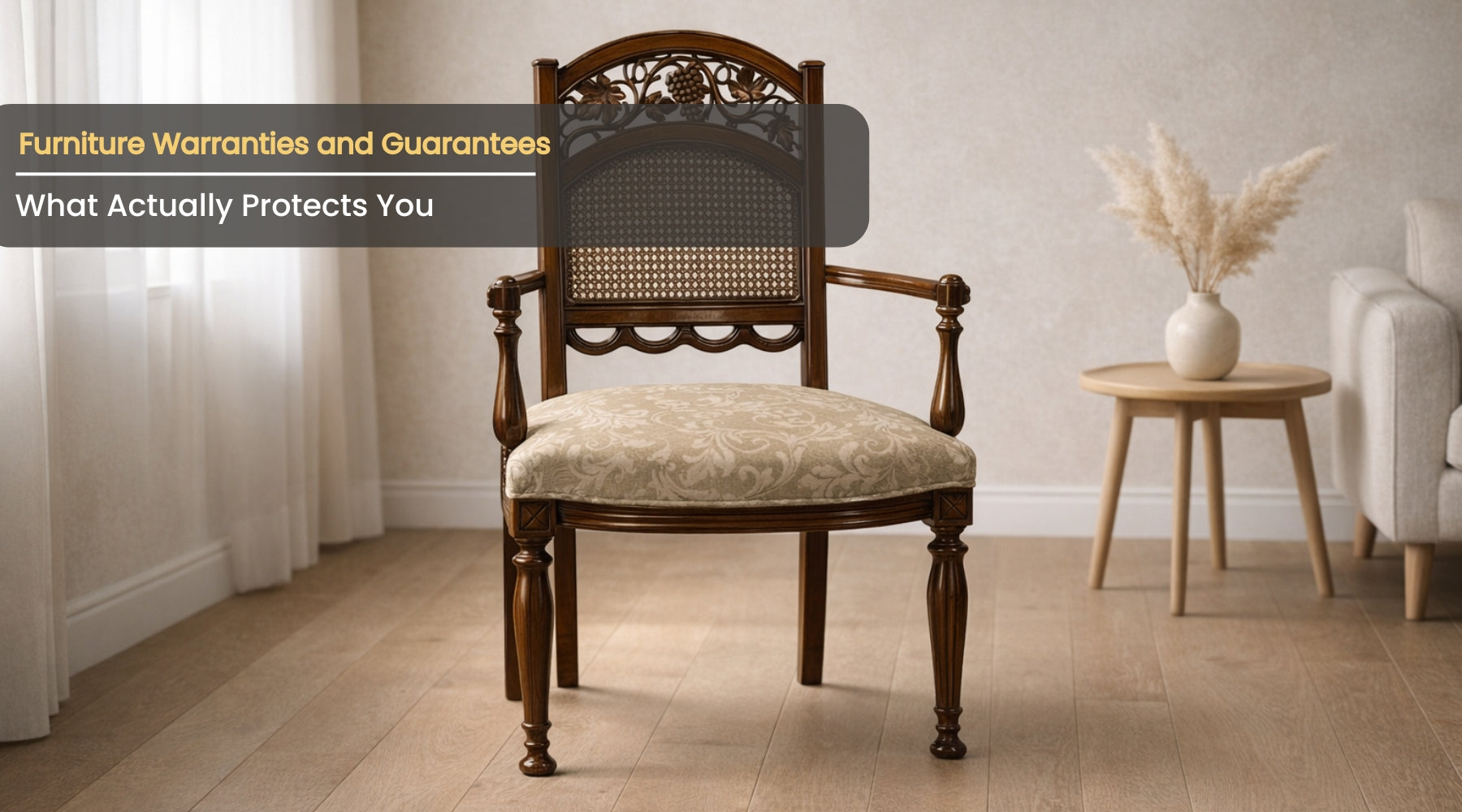
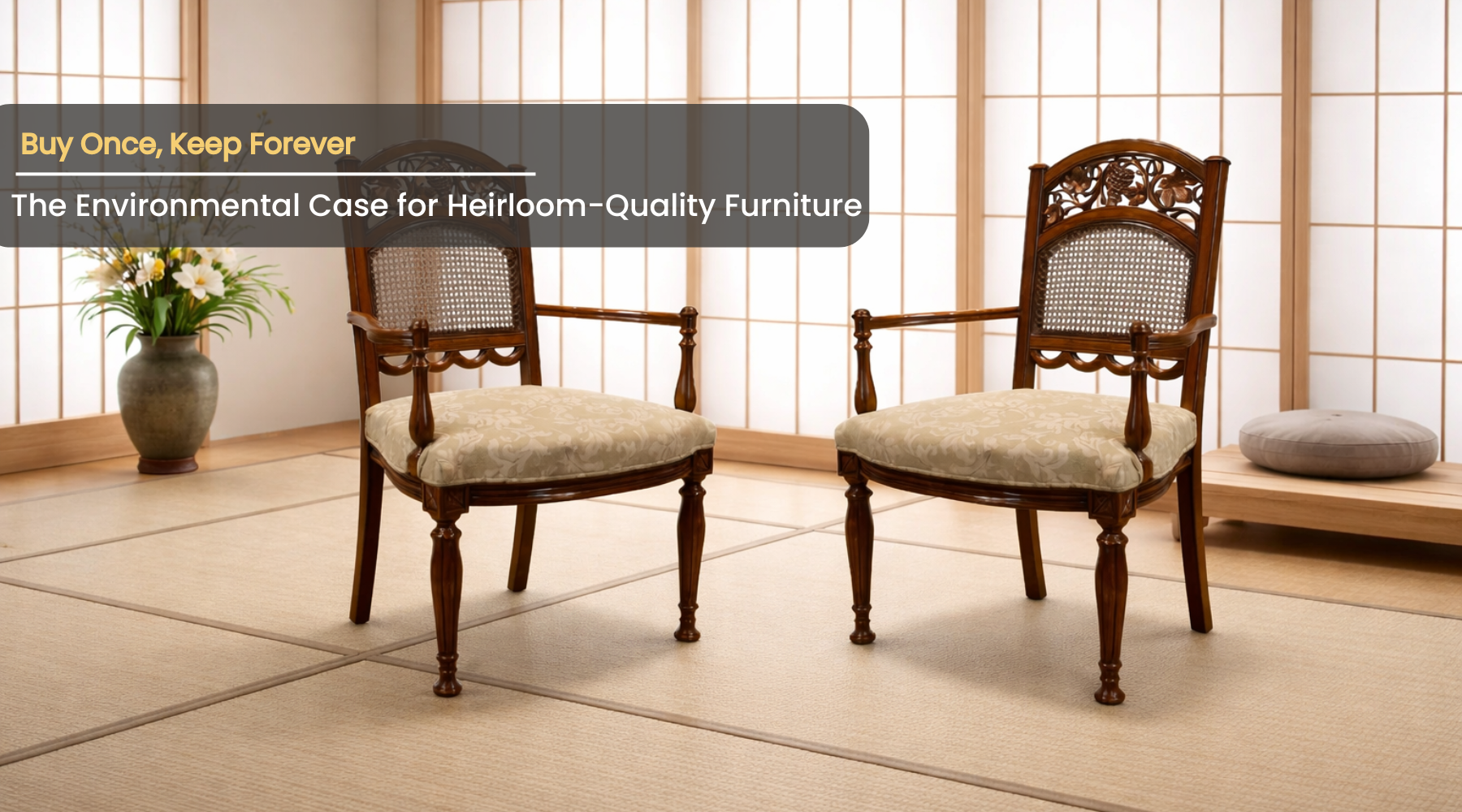
Traditional furniture draws from European design traditions spanning the 17th through 19th centuries. Think of the furniture in old movies set in English manor houses or American colonial homes. Carved details, rich wood tones, symmetry, and a certain formality characterize this style.
What Makes Furniture Traditional
Traditional furniture features curves and ornamentation that contemporary design deliberately avoids. Cabriole legs curve outward at the knee and inward at the ankle. Carvings adorn chair backs, table aprons, and case fronts. Moldings frame drawers and panels. These details require skill to execute and time to create, which historically signaled wealth and taste.
Symmetry organizes traditional design. Matching pairs of chairs flank a sofa. Identical nightstands border a bed. Hardware centers precisely on drawer fronts. This balance creates formality that can feel either elegant or rigid depending on execution and context.
Dark, rich wood tones dominate traditional palettes. Mahogany, cherry, and walnut in deep finishes create gravity and warmth. Rosewood, with its dramatic color and figure, makes powerful traditional statements. These woods bring visual weight that anchors traditional rooms.
When to Choose Traditional
Traditional furniture suits homes with architectural detail. Crown moldings, wainscoting, and paneled doors provide context that makes traditional furniture feel natural. Without this context, traditional pieces can seem isolated or costume like.
Traditional also works when warmth matters more than trendiness. The style has endured for centuries because it creates comfortable, inviting spaces. A traditional rosewood dining set hosts gatherings with dignity and warmth that some contemporary alternatives cannot match.
Consider traditional when building collections over time. The style's long history means pieces from different decades or even centuries can work together. Your grandmother's sideboard can join a table you buy today if both speak the traditional language.
Contemporary Furniture Style
Contemporary furniture reflects current design thinking, which today emphasizes clean lines, minimal ornamentation, and honest materials. The style emerged from early 20th century modernism but continues evolving as design sensibilities shift.
What Makes Furniture Contemporary
Clean lines define contemporary design. Straight edges, gentle curves, and geometric forms replace the ornate profiles of traditional work. Decoration emerges from material and proportion rather than applied carving or molding. A contemporary rosewood table lets the wood itself provide visual interest.
Minimalism influences contemporary furniture though they are not identical. Contemporary pieces tend toward simplicity but need not be severe. The goal is purposeful design where every element serves function or beauty, not decoration for its own sake.
Material honesty matters in contemporary work. Wood looks like wood rather than hiding under paint or veneer pretending to be something else. Joinery may be visible as design element rather than concealed. The construction becomes part of the aesthetic.
When to Choose Contemporary
Contemporary furniture suits modern architecture with open plans, large windows, and minimal trim. The clean lines echo the architecture rather than competing with it. In these spaces, traditional furniture can look like it wandered in from a different era.
Contemporary works when you want rooms to feel calm and uncluttered. The reduced visual complexity creates breathing room that busy lives appreciate. A contemporary rosewood desk in a home office provides focus without distraction.
Choose contemporary when mixing materials freely. Contemporary design embraces wood with metal, glass, and other materials more readily than traditional styles. A rosewood table with steel legs reads as contemporary even though the wood itself is timeless.
Transitional Style: The Bridge Between
Transitional furniture blends traditional warmth with contemporary clarity. It takes the comfort of traditional design without all the ornamentation, and the clean lines of contemporary design without the starkness. This middle path works for many people who find the extremes unsatisfying.
What Makes Furniture Transitional
Transitional furniture features simplified versions of traditional forms. Curves appear but gently. Details exist but with restraint. The silhouettes recall traditional predecessors while the execution feels current. A transitional dining chair might have a curved back suggesting traditional design but without any carving.
Neutral and warm palettes characterize transitional spaces. Neither the dark drama of traditional nor the stark whites of some contemporary. Medium wood tones, soft grays, and muted colors create backgrounds that feel neither dated nor trendy.
Quality materials anchor transitional design. Without ornamentation to provide interest, materials must speak for themselves. A transitional rosewood sideboard relies on the wood's beauty and the piece's proportions rather than decorative detail.
When to Choose Transitional
Transitional works in homes where architecture gives mixed signals. Many houses combine traditional elements like crown molding with more contemporary features like open floor plans. Transitional furniture fits comfortably in these mixed contexts.
Choose transitional when household members have different style preferences. The blend appeals to those who find traditional too fussy and contemporary too cold. Transitional provides compromise without feeling like compromise.
Transitional also ages well through changing tastes. Its balanced approach means it rarely looks dated even as design trends shift around it. Investment in quality transitional furniture tends to remain satisfying over decades.
Other Style Categories
Beyond the traditional to contemporary spectrum, several other style categories influence furniture design. Understanding these helps you identify what appeals to you and communicate preferences when shopping.
Rustic and Farmhouse
Rustic furniture emphasizes natural materials in relatively unrefined states. Heavy timbers, visible tool marks, and organic shapes recall furniture made by hand in rural settings. The style has evolved from historical necessity into deliberate aesthetic choice.
Farmhouse style is related but more domestic. It suggests the furniture of traditional American farms, practical and warm rather than rough. Painted finishes, turned legs, and a certain informality characterize farmhouse pieces.
Both styles create casual, inviting spaces but can feel out of place in formal settings or sleek modern architecture. They work best in homes where comfort trumps sophistication.
Mid Century Modern
Mid century modern refers specifically to design from roughly 1945 to 1970. The style features organic curves, tapered legs, minimal ornamentation, and innovative use of materials. Designers like Eames, Wegner, and Nakashima defined this era.
True mid century pieces command premium prices as collectibles. Contemporary interpretations of the style remain popular, offering the aesthetic without the vintage premium. The style mixes well with contemporary furniture because both share minimalist sensibilities.
Rosewood appeared frequently in mid century design, valued for its beauty and density. Vintage rosewood pieces from this era are highly collectible. New rosewood furniture in mid century inspired designs connects current craft with historical style.
Furniture Style Comparison
|
Style |
Key Features |
Best Context |
Wood Choices |
|
Traditional |
Carved details, curves, symmetry |
Formal homes, older architecture |
Dark mahogany, cherry, rosewood |
|
Contemporary |
Clean lines, minimal decoration |
Modern architecture, open plans |
Any wood, natural finishes |
|
Transitional |
Simplified traditional forms |
Mixed architecture, broad appeal |
Medium tones, natural finishes |
|
Mid Century Modern |
Organic curves, tapered legs |
Modern and retro settings |
Teak, walnut, rosewood |
Mixing Furniture Styles
Few homes commit entirely to one style, and few should. Mixing styles thoughtfully creates spaces with depth and personality that pure adherence to any single style cannot achieve.
What Holds Mixed Styles Together
Quality connects furniture across styles. Well made pieces share a certain presence regardless of whether they are traditional or contemporary. A beautifully crafted rosewood table can anchor a room containing furniture from various style traditions because quality provides its own coherence.
Scale creates relationship between pieces even when styles differ. Furniture of similar visual weight works together. A substantial traditional sideboard and a substantial contemporary sofa can share space because their scale relates even though their styles do not.
Color and material choices unify mixed styles. Consistent wood tones across different style pieces tie them together. A room with rosewood furniture in both traditional and contemporary styles reads as cohesive because the material connects what the style separates.
Using Contrast Deliberately
Contrast can strengthen design when used intentionally. A traditional rosewood dining table with contemporary chairs creates visual tension that feels dynamic rather than confused. The contrast reads as deliberate choice rather than accident.
The key is commitment. Half measures look like confusion. If you mix styles, let the contrast be clear enough that observers understand you chose this rather than stumbled into it.
Does furniture style need to match architecture?
Furniture style does not need to match architecture exactly, but the relationship should be considered. Traditional furniture in homes with traditional architectural details feels natural. Contemporary furniture in modern architecture feels harmonious. Mixing furniture and architecture styles can work beautifully but requires more care. Transitional furniture works in most architectural contexts because its balanced approach neither conflicts with traditional detail nor competes with modern simplicity. Consider your architecture as context that influences but does not dictate furniture choices. A rosewood dining table in contemporary style can work in a traditional home if other elements create bridge between the furniture and the setting.
What exactly is transitional furniture style?
Transitional furniture style blends elements from traditional and contemporary design. It features simplified versions of traditional forms without the elaborate carving, ornament, and heavy profiles that define strict traditional work. At the same time, it incorporates contemporary sensibilities like clean lines and honest materials without the stark minimalism that defines strict contemporary work. The result is furniture that feels neither dated nor trendy, neither fussy nor cold. Transitional style emerged as a category because many people found both traditional and contemporary extremes unsatisfying. It provides middle ground that appeals broadly and ages well as design trends shift.
What should buyers consider when choosing furniture style?
Consider multiple factors when choosing furniture style. First, your home's architecture and existing design elements. Second, your personal aesthetic preferences and comfort with different levels of formality. Third, how you live and use spaces, since some styles suit casual living better than others. Fourth, whether you prefer following design trends or choosing timeless approaches. Fifth, other furniture you already own and how new pieces will relate. Sixth, how style preferences align with other household members. Seventh, long term satisfaction, since quality furniture lasts decades and style should remain appealing. These factors combine differently for everyone. Honest assessment of your own preferences and circumstances guides better style decisions than following external recommendations.
How do contemporary and modern furniture styles differ?
Contemporary and modern are often used interchangeably but technically differ. Modern refers specifically to the modernist movement that emerged in the early 20th century and continued through the 1970s. It represents a specific historical period with defined characteristics like form follows function, honest materials, and rejection of ornament. Contemporary means current, referring to whatever is happening in design right now. Contemporary style changes as current design thinking evolves. Today's contemporary furniture may incorporate modernist influences but also draws from other sources and reflects current sensibilities that differ from historical modernism. A piece can be modern in style without being contemporary if it follows historical modernist principles. A piece can be contemporary without being modern if it reflects current trends that diverge from modernist tradition.
How can someone identify their personal furniture style preferences?
Identify style preferences through observation and reflection. Notice what catches your attention in stores, magazines, and other homes. Collect images of furniture and spaces that appeal to you, then look for patterns in what you collected. Consider furniture you already own and love versus pieces that leave you indifferent. Reflect on spaces where you feel comfortable and identify what about them appeals. Visit furniture showrooms and pay attention to emotional responses, not just intellectual assessments. Consider your wardrobe and other aesthetic choices for clues about broader preferences. This process reveals preferences more accurately than trying to choose from style descriptions. Most people discover they are drawn to certain qualities across styles rather than to one style exclusively.
Can traditional furniture work in contemporary spaces?
Yes, traditional furniture can work beautifully in contemporary spaces when placed thoughtfully. The contrast between ornate traditional pieces and clean contemporary settings can create visual interest that pure consistency lacks. A traditional rosewood secretary desk in an otherwise contemporary room becomes a focal point and conversation piece. Success requires intention. The traditional piece should feel like a deliberate design choice rather than something left over from a previous life. Supporting elements should acknowledge the contrast, perhaps through artwork or accessories that bridge traditional and contemporary sensibilities. Quality matters more than usual in mixed contexts because the traditional piece is highlighted rather than blending with its surroundings.
How should buyers approach furniture shopping when uncertain about style preferences?
Approach uncertain style preferences by focusing on quality and versatility rather than committing to a strong style direction. Choose pieces with clean proportions that work across style contexts. Invest in quality materials like rosewood that bring inherent beauty regardless of design style. Start with necessary pieces in relatively neutral styles and add more distinctive pieces as preferences clarify through living experience. Visit showrooms to experience furniture physically rather than relying on photographs. Give yourself time rather than furnishing everything at once. Preferences often become clearer after living with initial choices for months. This patient approach prevents expensive mistakes while allowing genuine preferences to emerge naturally.
Finding Your Own Style
I eventually found my way to something like transitional style, though I did not know that name for years. My living room now has a rosewood dining table with clean contemporary lines alongside chairs that nod toward traditional forms without the heavy carving. The combination feels like home in a way that neither my parents' traditional furniture nor my first apartment's stark contemporary ever did.
Style should serve you, not the other way around. The names and categories help you communicate and navigate, but they should not constrain. If you love a traditional rosewood sideboard and a contemporary sofa and a mid century coffee table, the question is not whether they belong to the same style category. The question is whether they belong together in your home, for your life, creating a space where you feel comfortable.
At Boston Mills, we build furniture that crosses style boundaries because good furniture transcends categories. Our rosewood tables work in traditional dining rooms and contemporary lofts. Our walnut beds anchor bedrooms of any style. We focus on quality materials, honest construction, and timeless proportions. These fundamentals serve people regardless of which style labels they prefer. That feels right to us.