Buy Once, Keep Forever: The Environmental Case for Heirloom-Quality Furniture
Heirloom-quality furniture reduces environmental impact by eliminating the replacement cycle that sends millions of tons of discarded pieces to landfills annually. The environmental case for investing in well-crafted, durable furniture extends beyond simple longevity. Generational furniture represents a fundamental shift in consumption patterns that addresses resource depletion, manufacturing emissions and waste management challenges simultaneously.
The furniture industry produces approximately 12.1 million tons of discarded items each year in the United States alone. Most disposable furniture reaches landfills within 5 to 15 years of purchase. Heirloom pieces, by contrast, remain functional for 50 to 200 years when properly maintained. This difference in lifespan creates a multiplier effect on environmental benefits that compounds over generations.
Understanding the environmental implications of furniture choices requires examining the full lifecycle of both disposable and heirloom options. The data reveals that sustainable consumption through quality purchasing creates measurable reductions in carbon emissions, raw material extraction and landfill burden.
The Hidden Environmental Cost of Disposable Furniture
Disposable furniture carries environmental costs that extend far beyond its visible price tag. Manufacturing a single particle board dresser generates approximately 47 kilograms of carbon dioxide equivalent emissions. When that same dresser enters a landfill after 8 years of use, it releases methane during decomposition, a greenhouse gas 28 times more potent than carbon dioxide over a 100-year period.
The fast furniture model mirrors fast fashion in its environmental damage. Manufacturers design products for rapid obsolescence, using materials that cannot withstand extended use. Engineered wood composites, thin veneers and synthetic adhesives degrade quickly under normal household conditions. The resulting replacement frequency multiplies resource consumption and waste generation.
Manufacturing Emissions and Resource Extraction
Furniture manufacturing requires significant energy inputs at every stage. Logging, transport, processing and assembly each contribute to the overall carbon footprint. A typical mass-produced sofa generates 90 kilograms of CO2 during production. When consumers replace that sofa every decade, they effectively authorize 9 kilograms of annual emissions solely for seating.
Raw material extraction presents additional environmental concerns. Particle board production consumes virgin wood fiber at rates that pressure forest ecosystems. Synthetic foam cushions derive from petroleum products, linking furniture consumption directly to fossil fuel extraction. Metal hardware and fasteners require mining operations that disturb land and waterways.
Landfill Impact and Decomposition
Furniture ranks among the largest contributors to municipal solid waste by volume. The Environmental Protection Agency reports that furniture and furnishings account for over 9 million tons of landfill deposits annually. Bulky items consume disproportionate landfill space while decomposing slowly over decades.
Composite materials commonly found in disposable furniture complicate recycling and decomposition. Adhesives, laminates and treated fabrics prevent clean material separation. Toxic compounds leach into groundwater as these materials break down. The environmental burden persists long after the furniture ceases serving its original purpose.
How Heirloom Furniture Reduces Environmental Impact
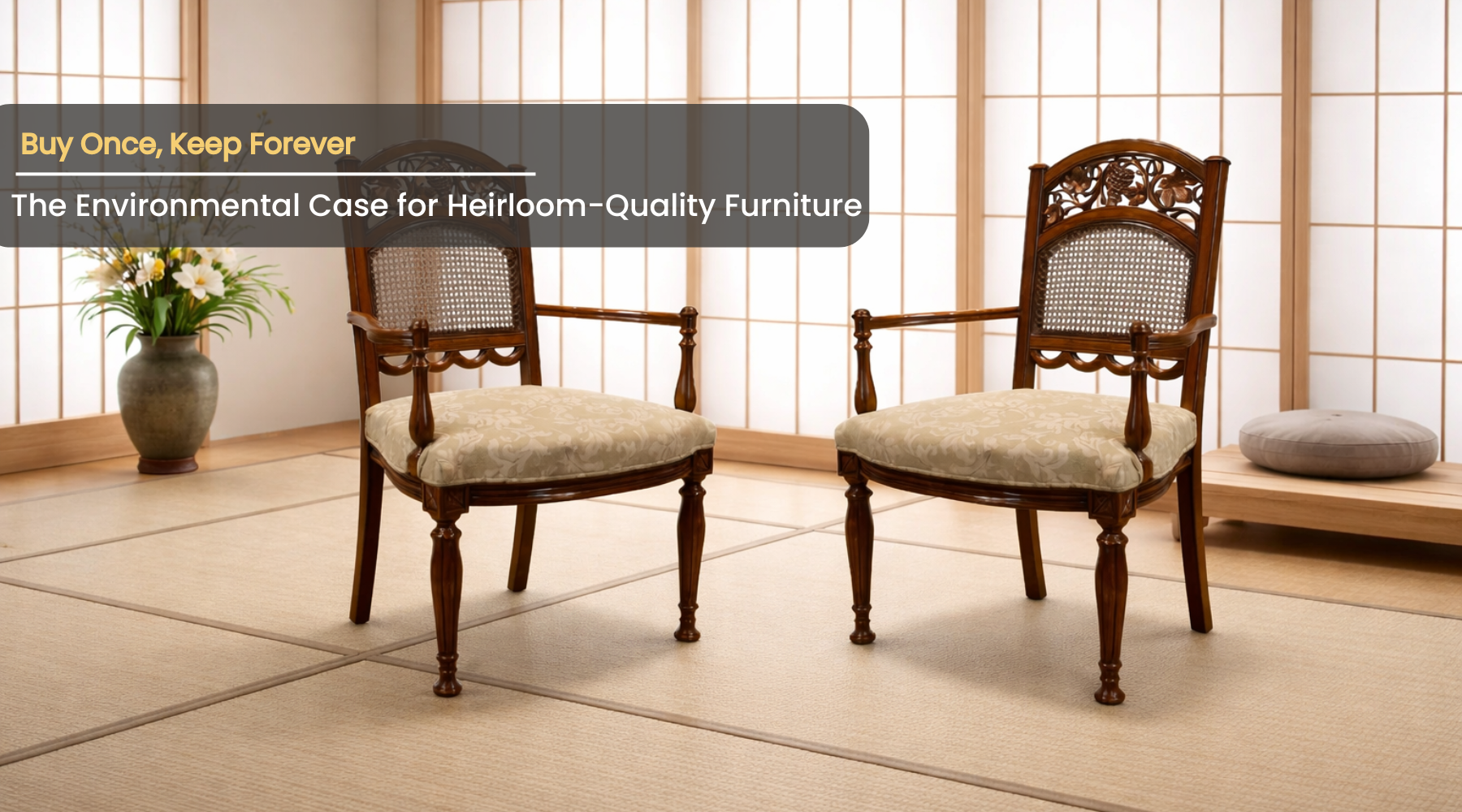
Heirloom furniture environmental impact differs fundamentally from disposable alternatives through longevity and material composition. Solid wood construction using traditional joinery techniques creates pieces that withstand decades of daily use. These methods have proven their durability over centuries of application.
Generational furniture distributes its environmental footprint across extended timelines. A handcrafted dining table that serves four generations effectively quarters its per-use emissions. This temporal distribution represents the most powerful mechanism for reducing furniture-related environmental damage.
The Longevity Multiplier Effect
Quality furniture demonstrates what environmental scientists call the longevity multiplier effect. Each additional year of service reduces the annualized environmental cost proportionally. A piece lasting 100 years carries one-tenth the annual burden of a 10-year replacement.
Environmental Impact Comparison: Disposable vs. Heirloom Furniture
|
Metric |
Disposable (10-year) |
Heirloom (100-year) |
Reduction |
|
Items per century |
10 units |
1 unit |
90% |
|
Total CO2 emissions |
470+ kg |
75 kg |
84% |
|
Landfill contribution |
10 items |
0 items |
100% |
|
Raw materials used |
10x baseline |
1.2x baseline |
88% |
The table demonstrates how sustainable consumption through quality furniture purchasing creates compounding environmental benefits. These reductions grow more significant when applied across all furniture categories in a household.
Material Composition and Sustainability
Heirloom furniture typically uses solid hardwoods sourced from responsibly managed forests. Rosewood, teak, walnut and oak regenerate naturally when harvesting follows sustainable forestry practices. These materials store carbon throughout their extended service life, effectively sequestering atmospheric CO2 in functional household items.
Natural finishes on quality furniture avoid the volatile organic compounds present in mass-produced alternatives. French polish, tung oil and beeswax create protective surfaces without releasing harmful emissions into indoor environments. These traditional finishing methods also allow easier refinishing when surfaces need restoration.
The Slow Furniture Movement and Anti-Disposable Culture
The slow furniture movement represents a conscious rejection of disposable consumption patterns. Advocates prioritize craftsmanship, durability and timeless design over trend-driven purchases. This philosophy aligns furniture buying with broader sustainability values that inform other lifestyle choices.
Anti-fast-furniture sentiment grows among consumers who recognize the environmental and economic costs of frequent replacement. Social media communities share repair techniques, celebrate inherited pieces and showcase furniture that has served families for generations. This cultural shift influences purchasing decisions and creates market demand for durable alternatives.
Repair Instead of Replace
Heirloom furniture supports repair instead of replacement strategies that further reduce environmental impact. Solid wood construction allows structural repairs impossible with composite materials. Skilled craftspeople can restore damaged pieces to full functionality, extending service life indefinitely.
Repair economics favor quality furniture substantially. Refinishing a solid wood table costs approximately 15% of replacement value while restoring full aesthetic appeal. Disposable furniture often costs more to repair than replace, creating perverse incentives that accelerate landfill accumulation.
Common Repairs That Extend Furniture Life
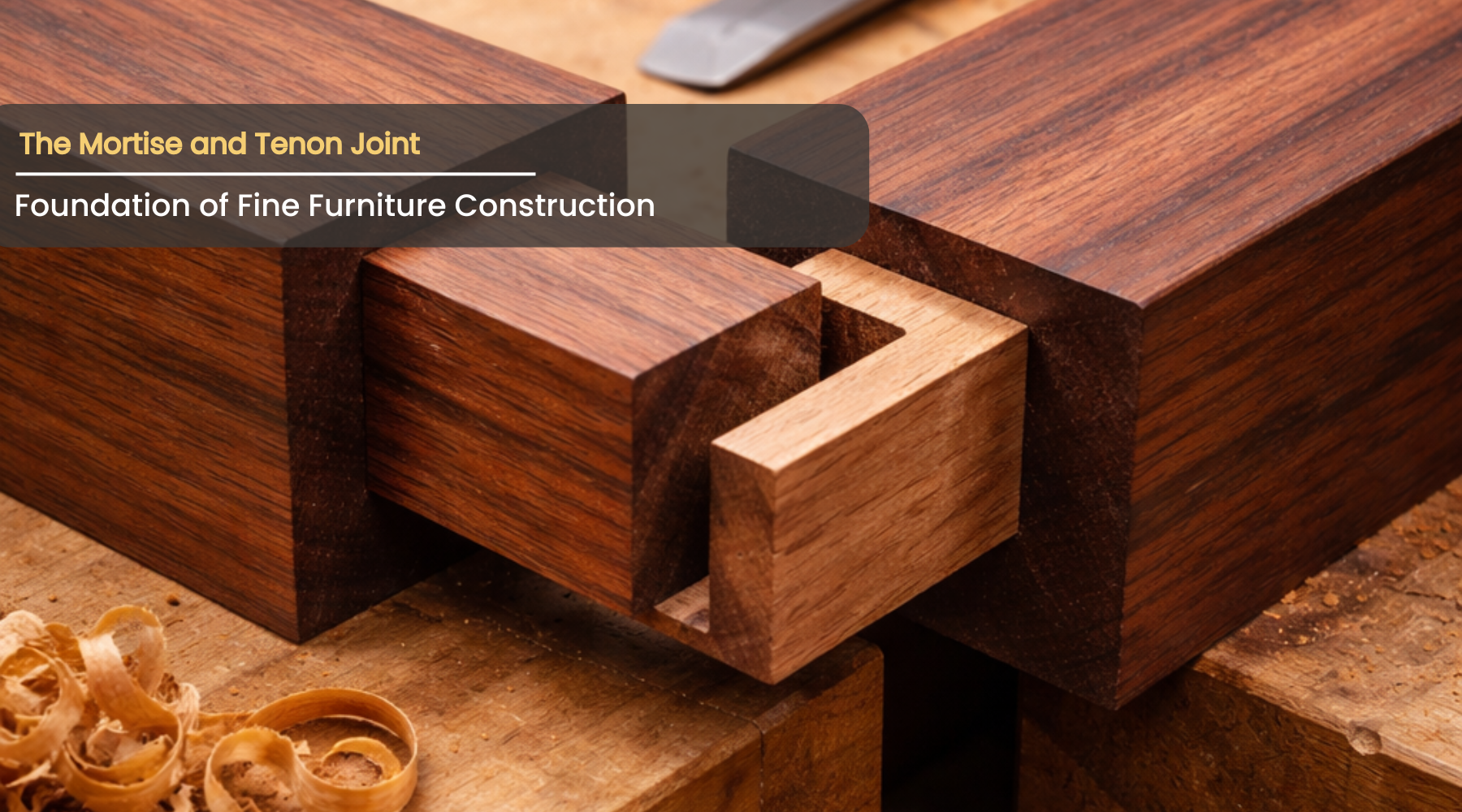
Structural joint reinforcement addresses loosening caused by wood movement over decades. Traditional joinery techniques like mortise and tenon or dovetail joints allow disassembly, re-gluing and reassembly without compromising integrity. Modern adhesives combined with original construction methods create bonds stronger than virgin pieces.
Surface refinishing removes decades of wear while preserving underlying wood character. Stripping, sanding and applying new finish coats transforms visually tired pieces into showroom-quality furniture. The grain patterns and patina that develop over years of use cannot be replicated in new production.
Economic and Environmental Value Retention
Heirloom furniture retains both economic and environmental value across its lifespan. Antique and vintage pieces frequently appreciate, sometimes dramatically exceeding original purchase prices. This value retention reflects scarcity, craftsmanship quality and growing appreciation for durable goods.
Environmental value compounds as furniture ages. Each year of continued use represents avoided production emissions, prevented landfill deposit and conserved raw materials. Furniture that passes to subsequent generations multiplies these benefits while providing functional service to new households.
Calculating True Cost Per Year
True cost analysis reveals the economic advantage of heirloom furniture despite higher initial prices. A disposable dresser priced at 300 dollars with a 10-year lifespan costs 30 dollars annually. A solid wood dresser priced at 1,500 dollars with a 75-year lifespan costs 20 dollars annually, representing a 33% reduction in annual expenditure.
Environmental cost per year follows similar mathematics. Higher quality production generates more emissions per unit but distributes those emissions across dramatically longer timelines. The net result favors heirloom purchasing by wide margins across virtually all furniture categories.
Making the Transition to Sustainable Furniture Consumption
Transitioning to sustainable consumption patterns requires strategic thinking about furniture purchases. Budget constraints prevent immediate replacement of all household items with heirloom alternatives. Phased approaches allow gradual upgrading while maximizing environmental benefit per dollar spent.
Prioritizing High-Impact Replacements
Daily-use furniture offers the highest environmental return on quality investment. Dining tables, beds and seating experience constant wear that disposable construction cannot withstand. Prioritizing these categories maximizes lifespan extension benefits while improving daily household functionality.
Storage furniture presents another high-value category for heirloom investment. Dressers, wardrobes and bookcases serve essential organizational functions while experiencing regular mechanical stress. Quality construction prevents drawer failure, door misalignment and structural deterioration common in mass-produced alternatives.
Identifying Quality Markers
Solid wood construction provides the foundation for generational durability. Weight, grain continuity and joinery type indicate construction quality. Dovetail joints in drawers, mortise and tenon connections in frames, and avoided reliance on metal fasteners signal heirloom-grade manufacturing.
Finish quality affects both aesthetics and longevity. Hand-applied finishes penetrate wood fibers rather than sitting on surfaces like spray lacquers. These traditional methods require more labor but create protection that withstands decades of use while improving with age through natural patina development.
The Broader Environmental Impact of Consumption Choices
Furniture purchasing decisions connect to broader patterns of resource consumption and waste generation. Households that embrace heirloom quality in furniture often extend similar thinking to other durable goods. This philosophical shift compounds environmental benefits across multiple consumption categories.
The furniture industry responds to consumer demand. Growing preference for quality over quantity signals manufacturers to invest in durable production methods. Market pressure accelerates transition away from planned obsolescence toward sustainable manufacturing practices that benefit all consumers.
Generational furniture also preserves cultural heritage and family history. Pieces that pass through multiple owners carry stories and memories that disposable items cannot accumulate. This emotional dimension reinforces practical environmental benefits with personal meaning that encourages continued preservation.
Does heirloom furniture actually have less environmental impact than disposable alternatives?
Yes, heirloom furniture demonstrates significantly lower environmental impact when measured across complete lifecycles. While production emissions for quality pieces may exceed disposable alternatives by 40 to 60 percent, the 10 to 20 times longer lifespan creates net reductions of 80 to 90 percent in per-year environmental burden. This calculation includes manufacturing emissions, transportation and end-of-life disposal impacts.
What defines heirloom-quality furniture?
Heirloom-quality furniture refers to pieces constructed using materials and methods that enable multi-generational use spanning 50 to 200 years. Defining characteristics include solid hardwood construction, traditional joinery techniques such as dovetail, mortise and tenon joints, natural finishes and design aesthetics that transcend temporary trends. These pieces can be repaired, refinished and passed to subsequent owners while maintaining full functionality.
What furniture categories offer the highest environmental return on quality investment?
High-impact categories for heirloom investment include dining tables, bed frames, dressers, sofas and bookcases. These items experience daily use that accelerates wear on disposable construction while remaining fully functional in quality pieces for generations. Dining tables alone may prevent 8 to 12 landfill deposits over a century when built to heirloom standards. Storage furniture follows closely due to mechanical stress from drawer and door operation.
How does the cost per year of heirloom furniture compare to disposable alternatives?
Heirloom furniture costs 25 to 50 percent less per year of use compared to disposable alternatives despite higher initial purchase prices. A 300 dollar disposable dresser lasting 10 years costs 30 dollars annually. A 1,500 dollar heirloom dresser lasting 75 years costs 20 dollars annually. When resale or inheritance value enters calculations, heirloom furniture often achieves near-zero net cost while providing superior daily functionality throughout its extended service life.
How can consumers identify genuine heirloom-quality construction?
Identifying heirloom construction requires examining four key areas. First, check material composition by looking for solid wood with continuous grain patterns rather than veneer or laminate surfaces. Second, inspect joints for dovetails in drawers and mortise and tenon connections in frames rather than staples, nails or cam locks. Third, assess weight, as solid hardwood pieces weigh substantially more than composite alternatives. Fourth, examine finish quality for hand-applied penetrating finishes that highlight wood grain rather than thick spray coatings that obscure natural character.
Can damaged heirloom furniture be restored to full functionality?
Yes, heirloom furniture construction specifically enables restoration to full functionality regardless of age or damage extent. Solid wood accepts structural repairs, surface refinishing, and component replacement that composite materials cannot support. Skilled craftspeople regularly restore pieces over 200 years old to showroom condition. The repair process itself generates minimal environmental impact compared to manufacturing new furniture, creating additional sustainability advantages over replacement.
What is the slow furniture movement?
The slow furniture movement represents a consumer philosophy that prioritizes durability, craftsmanship and sustainability over trend-driven disposable purchasing. Participants consciously reject fast furniture marketing that emphasizes low prices and seasonal styles. Instead, slow furniture advocates invest in fewer, higher-quality pieces designed for generational use. The movement connects furniture consumption to broader sustainability values while encouraging repair, restoration and mindful purchasing practices.
Building a Sustainable Furniture Future
The environmental case for heirloom-quality furniture rests on measurable reductions in carbon emissions, resource consumption and landfill burden. Generational pieces that serve families for decades or centuries represent the most effective individual action for reducing furniture-related environmental impact.
Sustainable consumption through quality purchasing requires upfront investment but delivers superior long-term returns. The economic and environmental mathematics favor heirloom furniture by substantial margins. As more consumers recognize these advantages, market demand drives manufacturing practices toward durability and away from planned obsolescence
Boston Mills creates furniture meant to last for generations while keeping its environmental footprint low. Every piece starts in our Dallas World Trade Center showroom, where the design comes together, then gets brought to life by skilled craftsmen and checked over carefully by our team before it ever reaches your home. That focus on sustainable craftsmanship is good for your household and the planet alike. Choosing to buy once and keep it forever turns furniture from something disposable into a lasting legacy.