Rosewood Living Room Furniture: A Complete Guide to Timeless Elegance
There's a particular quiet that settles into a living room when the right pieces come together, when the coffee table feels like it's always belonged there, when light catches something solid and well-made and the room finally breathes. This is where Sunday mornings stretch long, where friends linger past midnight, where the everyday becomes a little more memorable. The furniture you choose here doesn't just fill space; it shapes how life unfolds inside it. Rosewood, more than most woods, understands the assignment.
A well-considered living room is a quiet collaboration of pieces, each doing honest work. Coffee tables anchor the conversation. Side tables catch the lamp, the book or the half-finished mug. Media consoles bring order to the cables and screens. Display cabinets hold the things worth keeping in view. Rosewood elevates every one of them: its honeyed grain warms the room while its density withstands decades of real daily use.
This guide walks through the range of rosewood living room furniture and what each piece brings to a home, so whether you're shaping a formal sitting room or a relaxed family gathering spot, you can choose with intention. Rosewood rewards those who care with beauty and durability that hold steady, season after season, year after year.
Coffee Tables: The Living Room Anchor
The coffee table occupies a central position in most living room arrangements, serving both functional and aesthetic roles.
Choosing the Right Size
Coffee table dimensions should be proportional to the surrounding seating. Standard guidance suggests the coffee table length approximately two thirds the length of the sofa it faces. Height should allow comfortable reaching from a seated position, typically 16 to 18 inches, roughly level with sofa seat cushions or slightly lower.
The clearance between the coffee table and the seating affects both appearance and function. Allow 14 to 18 inches between the table edge and the sofa front for comfortable legroom and passage. Tighter spacing creates an intimate arrangement but may feel cramped. Generous spacing suits formal rooms but may make the table feel disconnected from seating.
Room size influences the appropriate coffee table scale. Large rooms accommodate substantial tables that would overwhelm smaller spaces. Compact rooms benefit from appropriately scaled pieces that serve function without dominating the limited floor area. The table should feel like it belongs in the room rather than having been squeezed in or lost in excessive space.
Shape Considerations
Rectangular coffee tables suit most seating arrangements, particularly L-shaped sectionals and standard sofa configurations. The elongated shape provides a surface accessible from multiple seating positions. Rectangular tables also offer more surface area per footprint than other shapes, maximizing utility in a given space.
Round and oval coffee tables soften rooms dominated by angular furniture and architecture. The curved edges eliminate sharp corners, beneficial in homes with young children. Round tables work particularly well with curved sectionals or seating arranged in circular conversation groupings.
Square coffee tables suit square rooms and symmetrical arrangements. The equal dimensions create a balanced visual presence. Square tables may feel less accessible from end positions in long seating arrangements, but work well in compact configurations where all seats are roughly equidistant from the table center.
Storage and Display Options
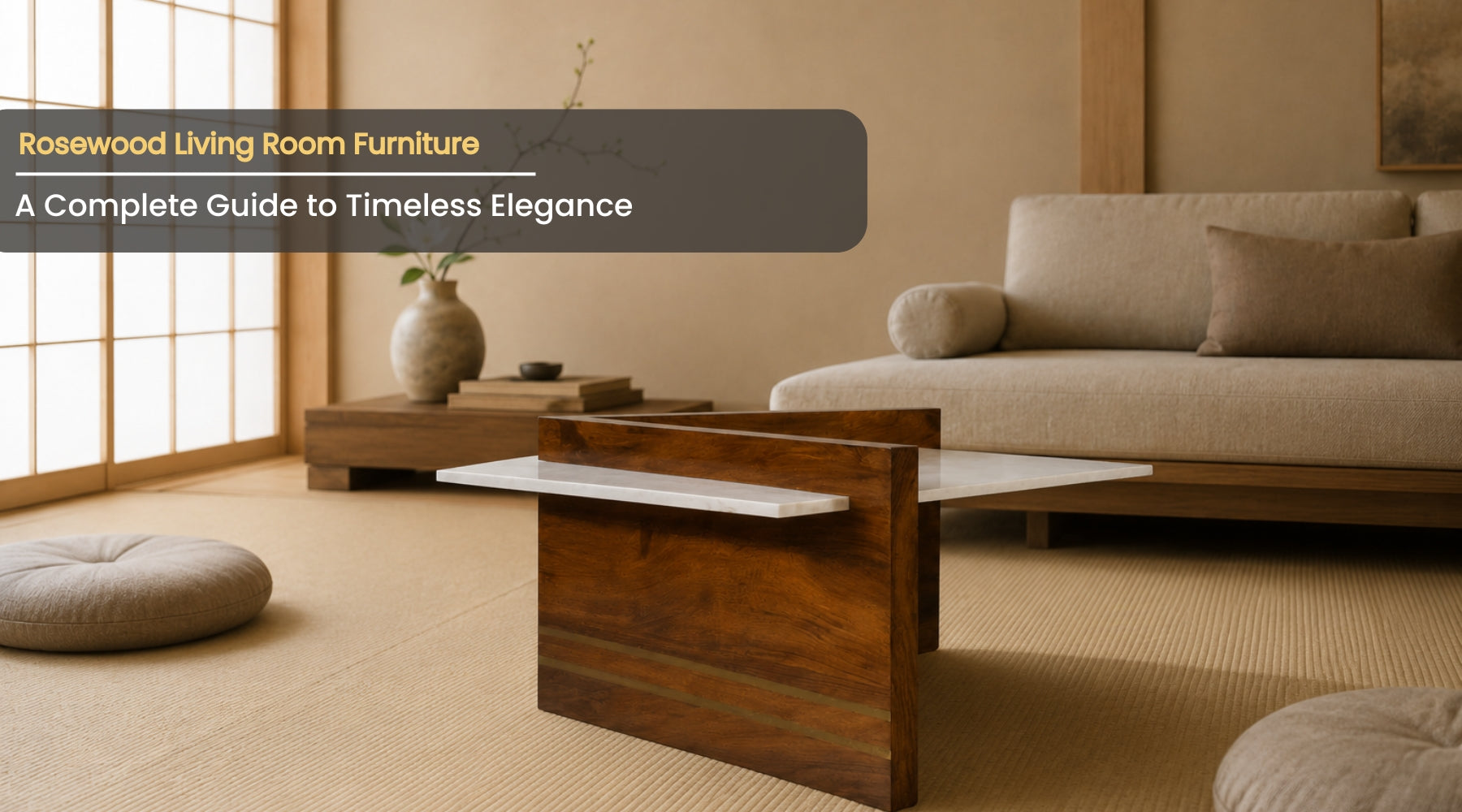
Simple slab top coffee tables showcase rosewood beauty with clean, uninterrupted surfaces. These minimalist designs suit contemporary interiors and those preferring furniture that makes a statement through material rather than complexity. The wood itself becomes the design element.
Coffee tables with lower shelves provide display space for books, magazines and decorative objects while maintaining an open feeling. The shelf adds visual weight and function without enclosing space beneath the table. This configuration works well for those wanting storage without the closed appearance of drawer tables.
Drawer-equipped coffee tables conceal items completely, maintaining a tidy appearance while keeping essentials accessible. Remote controls, coasters and other living room necessities disappear from view. Drawers add cost and visual weight but provide organization that open designs cannot match.
Side Tables and End Tables
Side tables provide essential surfaces beside seating positions, holding beverages, books and lighting.
Placement and Height
Side table height should be comfortable to reach from a seated position without stretching or awkward bending. Standard end table height of 22 to 26 inches works with most sofas and chairs. The table surface should be roughly level with the arm of adjacent seating, allowing natural placement and retrieval of items.
Position side tables within easy reach of the seating they serve. Placing a table at the outer end of a sofa serves those seated in the corner. Tables between paired chairs serve both seats. The goal is convenient access for everyone who might need the surface.
Multiple side tables in a room need not match exactly but should relate visually. Consistent rosewood material provides unity even when specific designs vary. Varying heights and sizes can add visual interest while maintaining a coherent overall appearance.
Functional Varieties
Simple end tables with a single surface provide essential function with minimal visual presence. These straightforward pieces suit rooms where the coffee table or other furniture carries primary visual weight. Rosewood gives even simple designs the quality feeling that lesser materials lack.
End tables with drawers add concealed storage for items used in that seating area. Reading glasses, notepads, charging cables and other personal items can be kept accessible but out of sight. Drawer storage suits those preferring tidy surfaces.
Nesting tables offer flexibility for changing needs. The smaller tables tuck beneath the larger when not needed, then pull out to serve additional guests or functions. Rosewood nesting sets provide elegant solution for those who occasionally need more surface area than everyday use requires.
Design Coordination
Side tables can match the coffee table for a unified appearance or deliberately contrast for visual variety. Matching sets create a cohesive, designed look appropriate for formal living rooms. Mixed pieces suggest a collected over time aesthetic that suits casual spaces.
The scale relationship between side tables and adjacent seating affects visual balance. Delicate tables beside massive furniture look undersized. Substantial tables beside lightweight seating overwhelm. Proportion matters more than exact style matching.
Consider lamp requirements when selecting side tables. Tables intended to hold lamps need sufficient surface area and structural stability for the planned lamp size. Table style should complement lamp style for a harmonious pairing at these visible positions.
Living Room Table Sizing Guide
|
Table Type |
Typical Dimensions |
Ideal Height |
Key Placement |
|
Coffee table |
48-54" L x 24-30" W |
16-18" |
14-18" from sofa |
|
End table |
20-26" W x 20-26" D |
22-26" |
Within arm reach |
|
Console table |
48-72" L x 12-18" D |
28-32" |
Against wall or behind sofa |
|
Nesting set |
Varies, graduated sizes |
18-24" |
Beside seating, flexible |
Media and Entertainment Furniture
Modern living rooms often center on entertainment systems that require thoughtful furniture solutions.
Media Console Options
Media consoles provide a surface for television mounting or placement while organizing related equipment. The width should accommodate television size with an appropriate visual margin on each side. A television that extends beyond console edges looks precarious and aesthetically unbalanced.
Storage requirements vary based on equipment quantity and media collection size. Open shelving suits components needing ventilation and remote control access. Closed cabinets conceal equipment and media for cleaner appearance but may require ventilation provisions and infrared repeaters for remote function.
Rosewood media consoles bring warmth to technology focused arrangements. The natural material softens the hard edges and cool surfaces of electronic equipment. Quality rosewood construction ensures the console remains beautiful and functional long after the current technology has been replaced multiple times.
Entertainment Centers
Full entertainment centers incorporate media console function with surrounding storage and display. These substantial pieces can fill entire walls, providing comprehensive storage while framing the television as room focal point. The scale suits large rooms where smaller pieces would seem lost.
Modular entertainment systems allow customization for specific needs and spaces. Individual components can be arranged and combined to fit available wall space exactly. This flexibility accommodates asymmetrical walls, windows and doorways that fixed dimension pieces cannot address.
Built in entertainment furniture integrates with room architecture for seamless appearance. Custom rosewood built ins can include media storage, display cabinets and concealed storage in configurations designed specifically for the room. This permanent installation suits dedicated media rooms and those committed to current room arrangement.
Wire Management
Modern entertainment equipment generates considerable cable clutter that furniture design can address or ignore. Quality media furniture includes provisions for routing cables out of sight, with openings for passage and channels for organization. These features maintain clean appearance that exposes every wire cannot achieve.
Ventilation matters for enclosed equipment storage. Electronics generate heat that must dissipate to prevent damage. Furniture enclosing equipment should include ventilation provisions, whether through perforated back panels, passive airflow design, or provision for small cooling fans.
Consider future flexibility when selecting media furniture. Equipment changes, display sizes grow and connection standards evolve. Furniture that accommodates only current equipment may become limiting. Generous interior dimensions and adaptable configurations serve better over time than tight custom fits.
Display and Storage Pieces
Living rooms often require storage and display beyond what tables provide.
Display Cabinets
Display cabinets showcase collections while protecting contents from dust and handling. Glass fronted sections allow viewing while providing physical separation. Rosewood frames and structure bring warmth that all glass or metal display cases lack, making displayed items feel part of a home rather than a museum.
Interior lighting enhances display cabinet function. Integrated lighting illuminates contents for better viewing and creates evening ambiance. LED lighting runs cool, avoiding the heat that older lighting technologies introduced. Light placement and intensity affect how displayed items appear.
Adjustable shelving accommodates items of varying height. Fixed shelving limits display flexibility as collections evolve. Glass shelves maintain visual openness while providing adequate support for most collectibles. Rosewood shelves suit heavier items and those preferring warmer appearance than glass provides.
Bookcases in Living Rooms
Bookcases serve living rooms as both storage and display, holding books alongside decorative objects. The combination of books and objects creates visual variety that books alone or objects alone cannot match. This mixed use suits living rooms better than the uniform book storage appropriate for dedicated libraries.
Bookcase placement affects living room function and feel. Flanking a fireplace or media center creates symmetrical focal point. Filling an entire wall creates library atmosphere. Single freestanding bookcases provide storage without dominating room character.
Open bookcases suit casual display where contents may change frequently. Glass fronted sections protect valuable books while keeping them visible. Closed lower cabinets combine visible display above with concealed storage below, accommodating both display worthy items and everyday storage needs.
Accent Storage
Small storage pieces address specific needs without committing to major furniture. Blanket chests store throws and pillows while providing seating or surface. Small cabinets hold games, projects or supplies used in the living room. These accent pieces add function without overwhelming room arrangement.
Bar cabinets or beverage stations suit living rooms where entertaining occurs. These specialized storage pieces keep glassware, bottles and accessories organized and accessible. Rosewood bar furniture brings sophistication to entertaining while providing practical function.
Consider what actually needs storage in the living room when selecting pieces. Storage furniture that sits empty wastes space and investment. Storage that overflows defeats its purpose. Right sizing storage to actual needs produces better results than assuming more storage is always better.
How many tables does a living room need?
Table quantity depends on seating arrangement and how the room is used. Most living rooms benefit from one coffee table and at least one side table per major seating position. Rooms with multiple conversation areas may need multiple coffee tables or no central table at all. Consider how people actually use the space when determining needs. Every seated position should have a surface within reasonable reach, but overcrowding the room with tables creates obstacles rather than convenience. Start with essential pieces and add more only if actual use reveals the need.
Should all living room furniture match?
Matching furniture creates cohesive, intentionally designed appearance suitable for formal living rooms. However, perfect matching is not required for attractive rooms. Coordinating pieces that share material, finish or design vocabulary work together without matching exactly. Many designers prefer the collected over time appearance that varied but compatible pieces create. Rosewood as consistent material provides unity even when specific designs differ. The key is intentional relationship between pieces rather than random accumulation. Whether matching or coordinating, pieces should feel like they belong together.
What rosewood finish works best for living room furniture?
The right finish for living room furniture has to do two things at once, let the wood's beauty come through and stand up to the wear of daily life. Hand-rubbed oil finishes offer exceptional warmth and a natural, tactile feel, though they ask for occasional upkeep and provide less surface protection than film finishes. Lacquer and conversion varnish finishes deliver strong protection with minimal maintenance while still preserving rosewood's depth and character. The best choice really depends on how each piece will live in your home. A coffee table that sees heavy daily use benefits from a more protective finish, while a display cabinet that's rarely touched can showcase the softer, more natural look of an oil finish. Think about your maintenance preferences and how each piece will actually be used that's where the right answer reveals itself.
How do you protect rosewood furniture from sunlight?
Sunlight exposure fades rosewood and can damage finishes over time. Window treatments that filter UV radiation provide primary protection. UV filtering films applied to windows offer protection without requiring daily adjustment. Position furniture away from direct sun paths when possible. Rotating furniture positions periodically distributes any unavoidable exposure more evenly. Light colored rugs beneath furniture in sunny areas reflect light upward, contributing to fading from below. Comprehensive sun protection preserves rosewood beauty longer than leaving furniture to fade unevenly.
Can rosewood furniture work in casual living rooms?
Rosewood adapts to casual settings despite associations with formal furniture. Contemporary rosewood designs with clean lines suit casual interiors. The wood's warmth complements relaxed color palettes and comfortable seating. Proper finishing protects against the inevitable impacts of casual daily use. Rosewood in family rooms may develop character through use more quickly than in formal rooms but quality construction ensures this aging adds rather than detracts. The material's durability actually makes it well suited to active households where furniture must withstand real use rather than mere display.
How much should quality rosewood living room furniture cost?
Quality rosewood living room furniture represents significant investment reflecting material cost, craftsmanship and durability. Coffee tables typically range from two to eight thousand dollars depending on size and complexity. Side tables range from one to four thousand dollars. Media consoles and entertainment centers range from three to fifteen thousand dollars based on size and features. These prices reflect genuine quality that serves decades of use. Less expensive alternatives exist but typically involve inferior construction, veneer rather than solid wood or materials misrepresented as rosewood. For furniture expected to serve a lifetime, quality rosewood provides value that initial cost alone does not reflect.
Is rosewood furniture appropriate for homes with children?
Rosewood furniture serves family homes well when selected and maintained appropriately. The material's durability withstands impacts that would damage softer woods. Appropriate finishes protect against moisture and minor abrasion. Sharp corners on some designs warrant consideration for homes with young children, with rounded edge options available for most piece types. Teaching children to respect furniture serves them throughout life while protecting your investment. Protective measures like coasters and trivets become household habits that preserve furniture while instilling care for quality possessions. Families should not avoid quality furniture but rather incorporate it thoughtfully into family life.
Building a Living Room That Lasts
Living room furniture shapes daily experience in ways that few other possessions can match. The surfaces that hold coffee cups and books, the storage that organizes entertainment, the display that showcases treasured objects: all of these functions happen through furniture that becomes part of how home feels and works. Rosewood brings qualities to these essential pieces that elevate function into something more meaningful.
Selecting rosewood living room furniture requires balancing practical needs with aesthetic vision. The pieces must serve how the room is actually used while contributing to the environment desired. This balance differs for every household, making thoughtful selection essential. Understanding options and their implications enables choices that satisfy both requirements.
Boston Mills designs rosewood living room furniture through our Dallas World Trade Center showroom for the central role these pieces play in daily life. Our coffee tables anchor conversation areas with beauty and durability. Our side tables serve essential function with quality that justifies their presence. Our media furniture brings warmth to technology driven entertainment. Each piece is designed in Dallas with lasting craftsmanship in mind, brought to life by skilled craftsmen and carefully inspected by our team before it reaches your home, furniture worthy of the moments that unfold around it.