Home Office Chairs: Where Ergonomics Meets Craftsmanship
The home office chair represents perhaps the most critical furniture selection for remote workers and home-based professionals. Hours spent seated demand chairs supporting proper posture while preventing the fatigue and discomfort that diminish productivity. Yet office seating need not sacrifice beauty for function—handcrafted wooden chairs can deliver both ergonomic support and aesthetic excellence.
The challenge lies in reconciling ergonomic requirements with the warmth and character of solid wood furniture. Mass-produced office chairs prioritize adjustability through mechanical complexity, often resulting in utilitarian appearance unsuited to home environments. Handcrafted alternatives can achieve ergonomic goals through thoughtful design and quality construction while maintaining furniture character worthy of living spaces.
This guide examines home office chair selection through both ergonomic and aesthetic lenses. Understanding how body mechanics inform chair design enables evaluation of seating options beyond superficial appearance. The goal is seating that supports productive work while enhancing rather than compromising home office environments.
Understanding Ergonomic Fundamentals
Ergonomic chair design addresses the biomechanical realities of prolonged sitting. The human body evolved for movement, not extended static positions. Proper chair design minimizes the stress that sustained sitting places on spine, muscles, and circulation. Understanding these fundamentals enables informed chair evaluation.
Spinal Support Requirements
The spine's natural S-curve requires support to maintain proper alignment during sitting. The lumbar region curves inward, requiring support that fills this natural hollow. Without adequate lumbar support, sitters tend to slouch, flattening the lumbar curve and stressing spinal structures.
Lumbar support should contact the lower back at approximately belt height, though individual anatomy varies. The support should be firm enough to maintain spinal position without creating pressure points. Adjustable lumbar support accommodates individual differences, though well-designed fixed support serves many users effectively.
Upper back support prevents rounding of shoulders during extended work sessions. The chair back should contact shoulder blade areas without pushing shoulders forward. This support maintains thoracic spine alignment complementing lumbar positioning.
Seat Design Principles
Seat dimensions significantly affect comfort and circulation during prolonged sitting. Seat depth should allow approximately two to three finger-widths between the seat front edge and the back of the knee. Excessive depth prevents proper back contact while insufficient depth concentrates pressure uncomfortably.
Seat width should accommodate the sitter comfortably with slight clearance on each side. Standard widths of 17 to 20 inches serve most users. Wider seats suit larger individuals while narrower options may better fit smaller frames.
Seat contour affects pressure distribution and comfort. Flat seats concentrate pressure on bony prominences while contoured seats distribute weight across larger areas. Waterfall front edges reduce pressure behind knees, improving leg circulation during extended sitting.
Height and Positioning
Proper seat height positions thighs approximately parallel to the floor with feet flat. This positioning distributes body weight appropriately and maintains circulation. For most adults, seat heights between 16 and 21 inches accommodate proper positioning, though desk height affects ideal chair height.
The relationship between chair height and desk height determines arm positioning during work. Forearms should rest comfortably parallel to the floor when using keyboard and mouse. This positioning prevents shoulder elevation and resulting neck and shoulder tension.
Height adjustability accommodates varied user heights and desk configurations. Pneumatic adjustment mechanisms enable easy changes while fixed-height chairs require careful matching to specific users and desks.
Ergonomic Chair Dimension Guidelines
|
Dimension |
Recommended Range |
Adjustment Benefit |
|
Seat Height |
16-21 inches |
Accommodates varied user heights |
|
Seat Width |
17-20 inches |
Fits different body sizes |
|
Seat Depth |
15-18 inches |
Allows proper back contact |
|
Backrest Height |
12-20 inches |
Supports upper and lower back |
|
Lumbar Support |
6-10 inches from seat |
Matches individual anatomy |
|
Armrest Height |
7-10 inches above seat |
Supports varied arm lengths |
Armrest Considerations
Armrests serve important ergonomic functions when properly positioned, supporting arm weight and reducing shoulder strain. However, poorly positioned armrests can cause problems exceeding their benefits. Understanding armrest function informs decisions about their inclusion and configuration.
Armrest Benefits
Properly positioned armrests support forearm weight, reducing load on shoulder and neck muscles. This support proves particularly valuable during tasks not requiring keyboard use, such as reading, thinking, or conversation. Armrests also assist rising from and lowering into chairs.
Armrest height should position forearms parallel to the floor with shoulders relaxed. Too-high armrests elevate shoulders, creating tension. Too-low armrests provide minimal support while potentially encouraging slouching to reach them.
Armrest Limitations
Fixed armrests that cannot adjust may not suit individual users. Armrests preventing close desk approach force extended reaching during keyboard work, causing shoulder strain. Wide armrests may interfere with natural arm positioning during typing.
Some users prefer armless chairs for flexibility and desk access. Armless designs allow closer desk positioning and varied sitting positions. The trade-off between support and flexibility depends on individual work patterns and preferences.
Armrest Styles in Wood Chairs
Traditional wooden office chairs often feature elegantly shaped armrests integral to chair design. These fixed armrests can provide excellent support when dimensions match user needs. The aesthetic integration of armrests with chair structure creates visual coherence unavailable in adjustable alternatives.
Some handcrafted chairs offer armrest options, providing armless versions alongside armed configurations. This flexibility allows selection matching individual needs while maintaining design consistency within furniture collections.
Chair Types for Home Offices
Various chair types serve home office needs with different emphases on ergonomics, aesthetics, and functionality. Understanding available options enables selection matching priorities and work patterns. Each type offers distinct advantages and limitations.
Executive Desk Chairs
Executive desk chairs provide substantial presence appropriate to professional environments. Traditional designs feature high backs, generous proportions, and often leather or quality fabric upholstery. These chairs suit formal home offices where professional image matters.
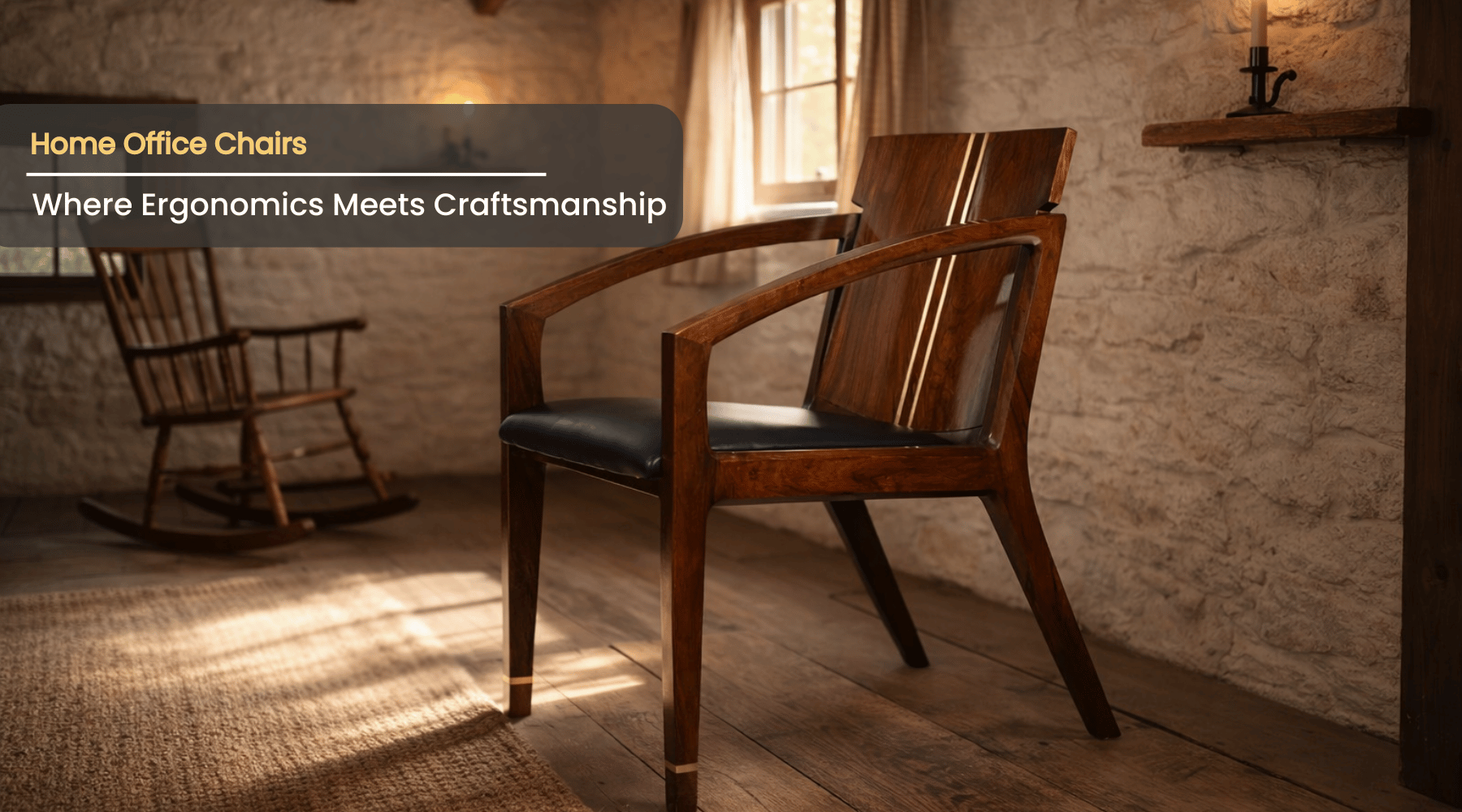
Handcrafted wooden executive chairs combine traditional aesthetics with ergonomic design. Shaped backs provide lumbar support while quality upholstery ensures comfort. These chairs project authority while supporting productive work.
Task Chairs
Task chairs emphasize functionality for extended work sessions. Typically featuring moderate proportions and extensive adjustability, task chairs prioritize ergonomic performance over visual impact. Many home workers prefer task chairs for their practical focus.
Wooden task chairs can achieve ergonomic goals through thoughtful design rather than mechanical complexity. Properly shaped seats and backs provide support without adjustment mechanisms. The resulting simplicity enhances both durability and aesthetic appeal.
Windsor and Traditional Styles
Windsor chairs and similar traditional designs offer timeless aesthetics potentially suitable for lighter office use. The spindle back construction provides ventilation while shaped seats offer reasonable comfort. These chairs suit home offices prioritizing residential character.
Traditional chair designs may lack the lumbar support and adjustability that extended computer work demands. Consider usage patterns carefully when selecting traditional styles. These chairs may serve well for varied activities but challenge users during eight-hour desk sessions.
Swivel and Caster Options
Swivel bases enable easy turning to access different work areas without repositioning the entire chair. This mobility proves valuable in offices with multiple work surfaces or frequent visitor interaction. Swivel mechanisms can integrate successfully with traditional wooden chair aesthetics.
Casters provide rolling mobility suiting active work styles requiring frequent movement. Quality casters appropriate to flooring type prevent damage while enabling smooth movement. Consider whether caster mobility benefits your work patterns before selecting rolling chairs.
Material Considerations
Office chair materials affect comfort, durability, and appearance significantly. Understanding material options enables selection balancing priorities appropriately. Quality materials distinguish furniture worthy of investment from disposable alternatives.
Wood Selection
Chair frames require strong, resilient wood species capable of withstanding the stress of daily use. Oak provides exceptional strength and durability for demanding chair construction. The wood's shock resistance suits furniture experiencing repeated loading and movement stress.
Walnut offers sophisticated appearance with adequate strength for chair construction. The warm coloration suits professional environments while the moderate density enables comfortable chair weight. Walnut desk chairs complement walnut desks beautifully.
Cherry provides traditional elegance appropriate to formal home office settings. The wood's excellent workability enables the detailed shaping chair construction often requires. Cherry office chairs develop beautiful patina through years of daily use.
Upholstery Options
Upholstered seats significantly enhance comfort for extended sitting. Quality foam padding distributes pressure while fabric or leather covers provide surface comfort. Upholstery adds cost but improves comfort substantially for heavy chair users.
Leather upholstery offers durability and professional appearance appropriate to executive seating. Quality leather develops attractive patina while resisting wear. The material breathes better than vinyl alternatives, improving comfort during extended use.
Fabric upholstery provides comfort and color options at generally lower cost than leather. Quality upholstery fabrics resist wear and cleaning while offering design flexibility. Select fabrics rated for contract or heavy-duty use for office applications.
Seat Construction
Solid wood seats shaped for comfort can provide excellent service without upholstery. Properly contoured seats distribute weight effectively while the wood surface remains cool and easy to clean. Shaped wooden seats suit users preferring firm support.
Seat construction quality affects both comfort and durability. Adequate thickness prevents flexing under body weight. Proper shaping requires skilled craftsmanship using appropriate techniques. Quality seats maintain their shape through decades of daily use.
Construction Quality Indicators
Chair construction quality determines both longevity and daily satisfaction. The stress patterns chairs experience during use demand robust construction that budget alternatives cannot provide. Understanding quality indicators helps identify chairs worthy of investment.
Joint Construction
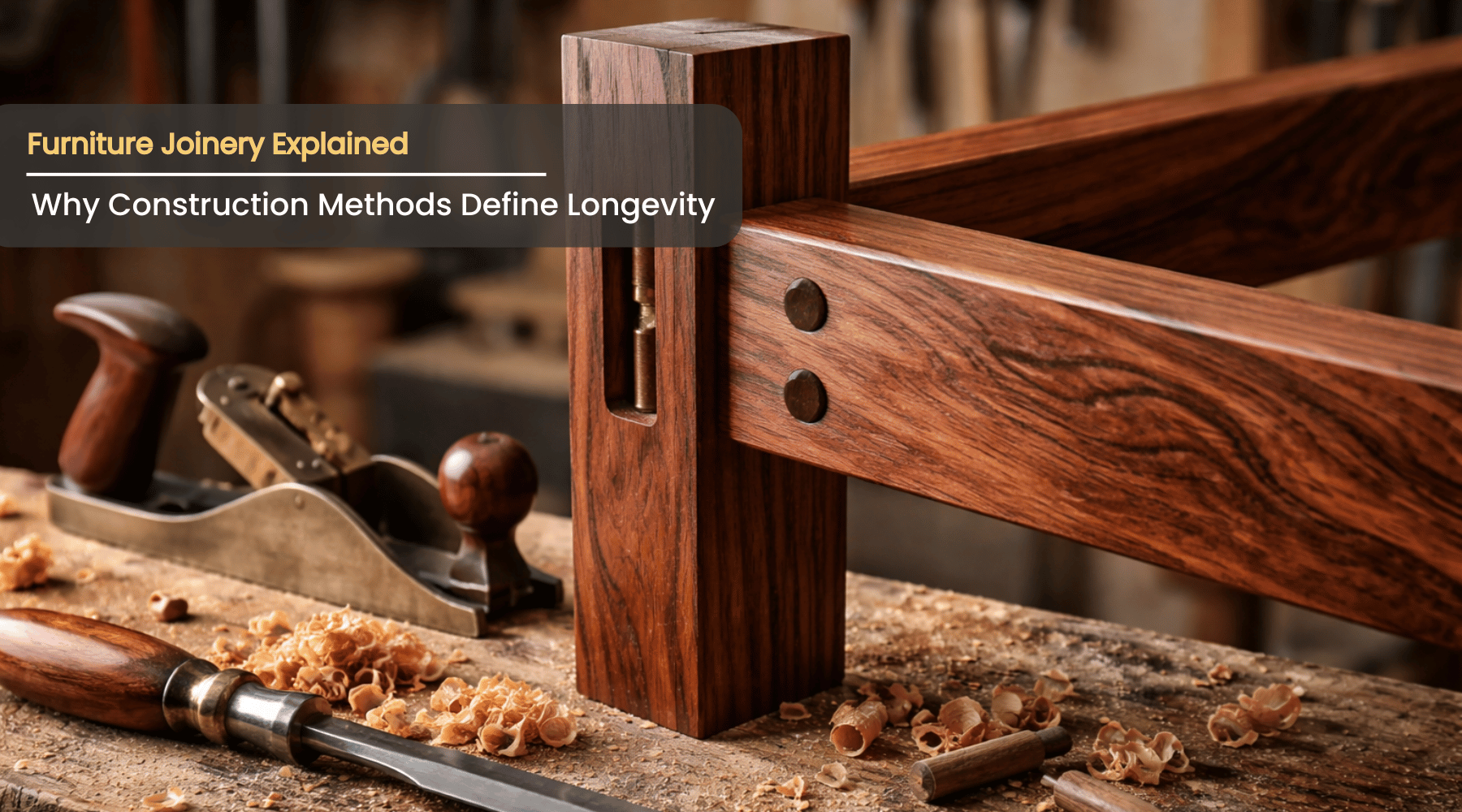
Chair joints bear significant stress during use, making their construction critical to furniture longevity. Mortise and tenon joinery at leg-to-seat and back-to-seat connections provides the strength chairs require. Dowel joints may serve adequately in some applications but offer less strength than mortise and tenon.
Corner blocks reinforce critical joints in quality chair construction. These triangular blocks glued and screwed across joint corners add significant strength. Their presence indicates quality commitment while their absence suggests cost-focused construction.
Stretchers connecting legs add structural rigidity to chair bases. These horizontal members prevent leg spreading under load. Quality chairs typically include stretchers while their absence may indicate compromised construction.
Structural Testing
Test chair stability before purchase by attempting to rack the frame gently. Quality chairs resist lateral movement firmly. Any looseness or creaking indicates joint problems that worsen with use.
Sit in chairs evaluating comfort, stability, and support. Rock gently testing base stability. Lean back assessing back support and tilt response. These hands-on evaluations reveal quality differences specifications cannot convey.
Matching Chair to Desk
Chair and desk must work together ergonomically and aesthetically. Height relationships, style coordination, and material harmony all affect successful pairing. Consider these relationships when selecting office seating.
Height Coordination
Chair height must coordinate with desk height for proper ergonomic positioning. Standard desk heights of 29 to 30 inches suit chair seat heights of approximately 17 to 19 inches for average-height users. Taller or shorter users require adjusted proportions.
Adjustable chair height accommodates varied desk configurations and user preferences. Fixed-height chairs require careful matching to specific desk and user combinations. Consider whether flexibility or aesthetic consistency matters more for your situation.
Style and Material Harmony
Chair style should complement desk design without necessarily matching exactly. Traditional desks pair naturally with traditional chairs. Contemporary desks suit modern seating designs. Mixed styles can work when carefully considered but risk visual discord.
Material coordination creates visual harmony throughout office spaces. Matching wood species in desk and chair establishes unified appearance. Complementary species can create intentional contrast when skillfully combined.
Caring for Office Chairs
Office chairs experience intensive daily use requiring appropriate care for lasting service. The combination of wood, upholstery, and mechanical components demands varied maintenance approaches. Proper care preserves both appearance and function.
Wood Care
Wooden chair components require standard wood furniture care including regular dusting and periodic waxing. Areas experiencing hand contact may benefit from more frequent attention. Armrest tops particularly show wear requiring occasional refinishing over years of use.
Upholstery Maintenance
Fabric upholstery requires regular vacuuming to remove dust and debris. Address spills immediately, blotting rather than rubbing. Professional cleaning periodically refreshes appearance and extends fabric life.
Leather upholstery benefits from periodic conditioning preventing drying and cracking. Quality leather cleaners remove accumulated soil while conditioners maintain suppleness. These maintenance investments preserve leather appearance and comfort.
Mechanical Components
Swivel mechanisms and casters require periodic attention. Lubricate moving parts annually or when operation becomes stiff. Replace worn casters before they damage flooring. These simple maintenance tasks extend chair service life significantly.
Can wooden chairs provide adequate ergonomic support?
Yes, properly designed wooden chairs can provide excellent ergonomic support for office use. The key lies in thoughtful design addressing biomechanical needs through shape rather than mechanical adjustment. Contoured seats distribute pressure effectively while shaped backs provide lumbar and thoracic support. Quality wooden chairs have served professionals effectively for centuries, predating modern ergonomic office chairs. The design principles remain constant regardless of materials. However, users requiring extensive adjustability for medical conditions may find mechanical task chairs more adaptable. For most users, well-designed wooden chairs provide comfortable support while offering aesthetic benefits unavailable in typical office seating.
What makes a chair truly ergonomic?
Ergonomic chairs support natural body positioning that minimizes physical stress during extended sitting. Key characteristics include lumbar support maintaining the spine's natural curve, seat dimensions and contours distributing pressure appropriately, height positioning thighs parallel to the floor, and armrests supporting forearms without elevating shoulders. Ergonomic design addresses the reality that human bodies evolved for movement, not sustained static positions. The term has become marketing language applied indiscriminately, so evaluate specific design features rather than relying on ergonomic claims. A chair is ergonomic when it supports your body's natural positioning during your specific work activities.
What features matter most for extended computer work?
Extended computer work demands specific chair features for comfort and health. Lumbar support maintaining lower spine curve prevents the slouching that causes back strain. Seat depth allowing two to three finger-widths behind knees prevents circulation restriction. Proper seat height positioning thighs parallel to floor with feet flat distributes weight appropriately. Armrests at correct height support forearms without elevating shoulders, though some users prefer armless chairs for keyboard work. Breathable seat materials prevent heat buildup during long sessions. Swivel capability enables turning without twisting the spine. Consider these functional requirements alongside aesthetic preferences when selecting chairs for intensive computer use.
How do handcrafted wooden chairs compare to mesh office chairs?
Handcrafted wooden chairs and mesh office chairs represent different approaches to office seating. Mesh chairs emphasize breathability, extensive adjustability, and contemporary appearance at moderate cost. Wooden chairs offer warmth, durability, residential character, and heirloom quality at typically higher cost. Mesh chairs suit users prioritizing adjustability and ventilation in utilitarian office environments. Wooden chairs suit users valuing aesthetics, durability, and integration with home environments. Mesh chairs may need replacement every five to ten years while quality wooden chairs serve for generations. Neither type proves universally superior; selection depends on priorities, environment, and budget. Some users maintain both types for different purposes.
How should buyers evaluate office chair comfort?
Evaluate office chair comfort through extended sitting trials when possible. First, adjust the chair to proper height for your body with feet flat on floor and thighs parallel. Second, assess lumbar support contact and pressure, ensuring it fills your lower back hollow without pushing forward. Third, check seat depth by verifying clearance behind your knees. Fourth, evaluate seat width ensuring comfortable fit without restriction. Fifth, test armrest height if present, confirming shoulders remain relaxed. Sixth, sit for at least fifteen to twenty minutes evaluating developing discomfort. Brief trials often feel comfortable while problems emerge over time. Request extended trial periods or generous return policies when purchasing sight-unseen.
Do office chairs need armrests?
No, office chairs do not universally need armrests, and some users prefer chairs without them. Armrests provide benefits including forearm support reducing shoulder strain, assistance rising from and lowering into chairs, and arm resting during non-typing activities. However, armrests can interfere with close desk positioning, restrict natural movement during typing, and limit sitting position variety. Users who type extensively often prefer armless chairs allowing closer desk approach and unrestricted arm movement. Users who read, think, or converse more than they type may value armrest support. Consider your primary activities and preferences when deciding whether armrests benefit your situation.
How can users optimize existing chair comfort?
Optimize existing chair comfort through adjustment and accessories. First, verify chair height positions thighs parallel to floor with feet flat, using a footrest if the chair cannot lower sufficiently. Second, add a lumbar support cushion if the chair lacks adequate lower back support. Third, consider a seat cushion if the seat surface causes pressure points. Fourth, adjust desk height or keyboard position if the chair cannot achieve proper arm positioning. Fifth, remove armrests if they interfere with desk access or typing comfort. Sixth, ensure the chair sits on appropriate surface, adding a chair mat if carpet causes rolling difficulty. These modifications can significantly improve comfort from chairs not initially ideal.
Investing in Productive Comfort
Home office chair selection deserves careful attention given the hours spent seated during work. The right chair supports productive focus while preventing the discomfort and health issues that poor seating causes. Understanding ergonomic principles enables evaluation beyond superficial appearance or marketing claims.
Handcrafted wooden chairs can achieve ergonomic goals while providing the warmth and character that define quality home environments. The choice between mechanical adjustability and designed-in comfort depends on individual needs and priorities. Quality construction ensures whichever approach serves reliably for decades.
Boston Mills creates office seating combining ergonomic design with the craftsmanship defining our furniture. Our chairs support productive work while enhancing home office environments with warmth and beauty. The quality of materials and construction ensures seating serving through careers rather than merely years.